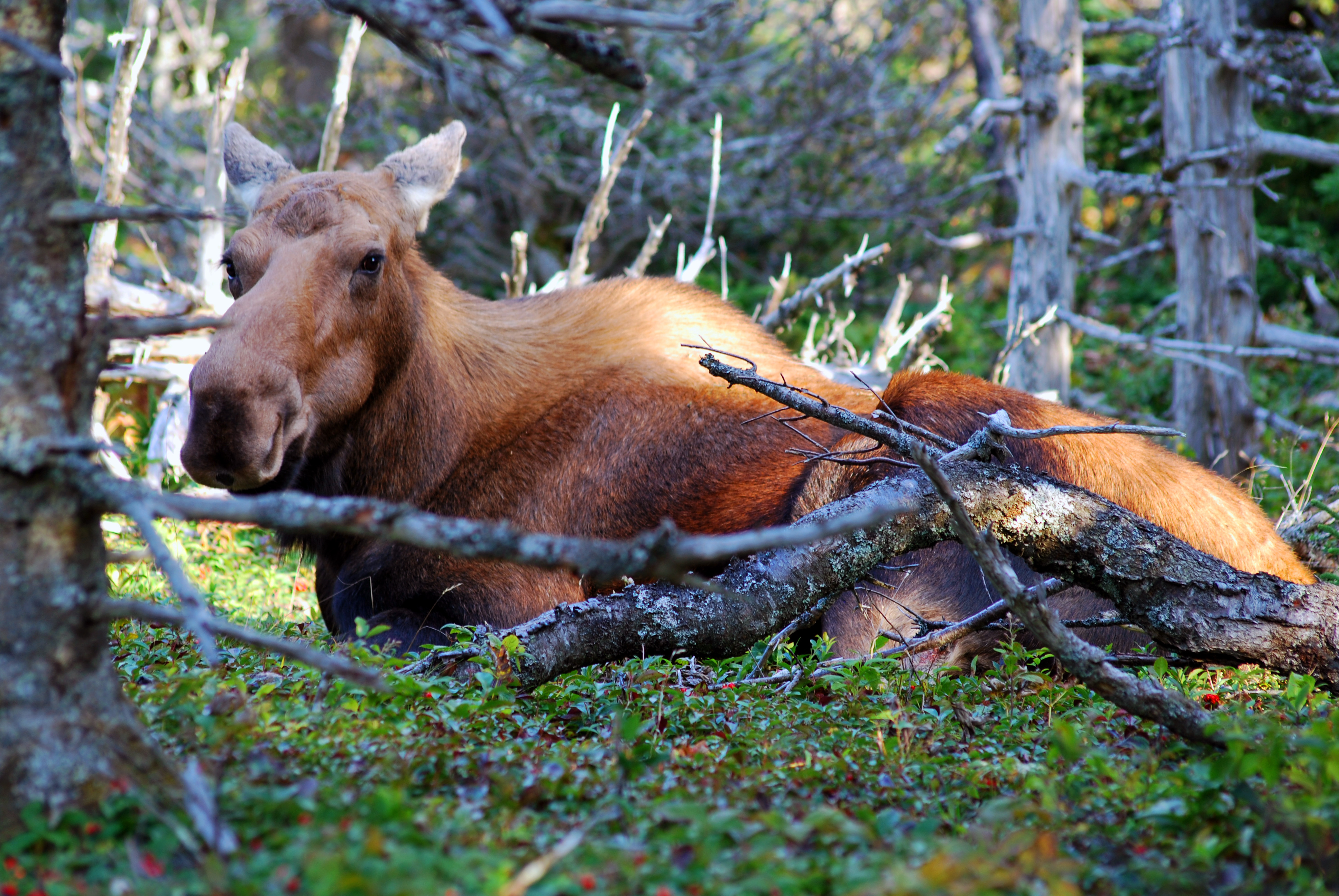
Wildlife observation in Canada's parks is partly about knowing where to go and partly about knowing when. The same stretch of shoreline in Algonquin that produces a moose sighting in early June — when animals come to water to escape blackflies — may be quiet in August. Timing matters at least as much as location, and most of the patterns are predictable enough to plan around.
What follows is a region-by-region summary of the species most commonly associated with each park cluster, the areas within those parks where sightings are most frequent, and the months when conditions are most favourable.
The Rocky Mountain Parks — Alberta and BC
Banff, Jasper, Yoho, and Kootenay National Parks collectively support one of the most accessible large-mammal viewing environments in North America. The Icefields Parkway — the 232-kilometre highway between Banff and Jasper — passes through habitat used by elk, bighorn sheep, mountain goat, black bear, grizzly bear, and wolf.
Grizzly Bear
Grizzlies are most visible in spring when they emerge from hibernation and in late summer when they feed heavily on berries above the treeline. The Bow Valley Parkway between Banff and Lake Louise is a known corridor; Parks Canada periodically closes sections of it to cyclists and pedestrians during active grizzly periods. The area around the Columbia Icefield on the Icefields Parkway also produces frequent sightings in July and August.
Elk
Elk are present year-round and are among the easiest large mammals to observe in the mountain parks. The town of Jasper itself is surrounded by year-round elk habitat. During the September rut, bulls become highly vocal and visible along the Athabasca River floodplain. Approaching elk — particularly bulls during rut — closer than 30 metres is explicitly prohibited under park regulations and is genuinely dangerous.
Bighorn Sheep and Mountain Goat
Both species are reliably found along rocky slopes and cliff edges throughout the Icefields Parkway. The area near Disaster Point on the eastern approach to Jasper is a well-known bighorn congregation point. Mountain goats concentrate on exposed mineral licks and high ridgelines; binoculars make a significant difference for this species.
Parks Canada Wildlife Viewing Guidelines
- Maintain a minimum distance of 100 metres from bears and wolves
- Maintain 30 metres from all other wildlife
- Never feed wildlife — this applies to ground squirrels and corvids as well as large mammals
- Stay on trails and roads when wildlife is present nearby
- If an animal changes its behaviour because of your presence, you are too close
Ontario — Algonquin and the Shield Parks

Algonquin Provincial Park is among the most productive moose-viewing environments in eastern Canada. The park's interior lakes and wetlands — accessible primarily by canoe — host a substantial moose population, and the animals' feeding habits make them predictable at certain times of year.
Moose
Late May through mid-June is peak moose viewing in Algonquin. Cows with calves are frequently seen wading in shallow lakes and ponds in the mornings, feeding on aquatic vegetation. By mid-summer, the same animals have moved deeper into forested areas to escape insects. The Highway 60 Corridor through the park's southern boundary is a consistent moose observation zone, particularly in the early morning hours. The interior lakes — accessed from canoe-launch points in the park — offer a more immersive but logistically involved experience.
Wolves
Algonquin's wolf population draws researchers and naturalists from considerable distances. The Ontario government's wolf howling program, historically run from the park, has been one of the few opportunities for organized wildlife sound encounters on the continent. Individual howling sessions — now self-guided or organized through park interpretation programs — happen in August.
Atlantic Canada — Nova Scotia and Newfoundland
Cape Breton Highlands National Park in Nova Scotia combines highland plateau hiking with coastal headland habitat that supports black bear, moose, and a variety of shorebirds. The Cabot Trail, which borders the park, passes through moose habitat regularly enough that speed restrictions and animal warning signs are posted across much of its length.
In Newfoundland, Terra Nova National Park's coastal fjord environment supports black bear and moose in high density. The island's moose population — introduced in the early twentieth century — has grown to one of the highest moose-to-area ratios on the continent. Roadside moose sightings are common enough that the province maintains a substantial public awareness campaign around dawn and dusk driving.
British Columbia — Pacific Rim and Gulf Islands
Pacific Rim National Park Reserve on Vancouver Island's west coast is primarily a marine and coastal habitat. The primary wildlife observation here involves grey whales — migrating north in spring and south in autumn — sea lions, river otter, and the resident black bear population on the park's beaches. Long Beach, the park's most accessible section, sees grey whale sightings from mid-March through May as the migration passes offshore.
Grey Whale Migration
The Eastern Pacific grey whale population migrates between its Mexican wintering lagoons and Arctic summer feeding grounds, passing close to Vancouver Island's outer coast. Ucluelet and Tofino — the communities flanking Pacific Rim — organize annual whale festivals in late March, and whale-watching vessels operate throughout the migration period. Shore-based viewing from the park's headland trails produces sightings without a boat on calm days when whales surface to breathe close to the kelp beds.
Seasonal Wildlife Summary
- March–April: Grey whale migration (Pacific Rim), bear emergence in mountain parks
- May–June: Moose calving and lake feeding (Algonquin), elk calving (Banff/Jasper)
- July–August: Grizzly berry feeding, mountain goat on licks, wolf howling program (Algonquin)
- September: Elk rut in Jasper and Banff, whale migration southbound
- October: Bears building fat reserves before denning
A Note on Photography and Distance
Telephoto lenses significantly improve wildlife photography outcomes and eliminate the temptation to close the distance with an animal for a better shot. The 100-metre rule for bears is enforced in the national parks and carries a fine under the Canada National Parks Act. Beyond the legal dimension, close approaches to large mammals carry genuinely significant physical risk — animals that appear habituated to human presence still respond unpredictably when startled or when protecting young.
Wildlife distribution and seasonal patterns are based on general ecological records and park documentation as of 2026. Actual sightings depend on weather, animal behaviour, and individual variability. Population surveys and park management practices evolve — consult individual park websites for current information.