
Park Permits
How to Get a Parks Canada Wilderness Pass — A Step-by-Step Account
Interior camping, backcountry travel, and quota-controlled routes all require advance permits. Here's what the process actually looks like.
Practical reference on trail systems, permit processes, wildlife viewing guidelines, and seasonal planning for Canadian national and provincial parks.
Detailed write-ups on trails, permits, and wildlife across the country — updated as conditions change.
Interior camping, backcountry travel, and quota-controlled routes all require advance permits. Here's what the process actually looks like.
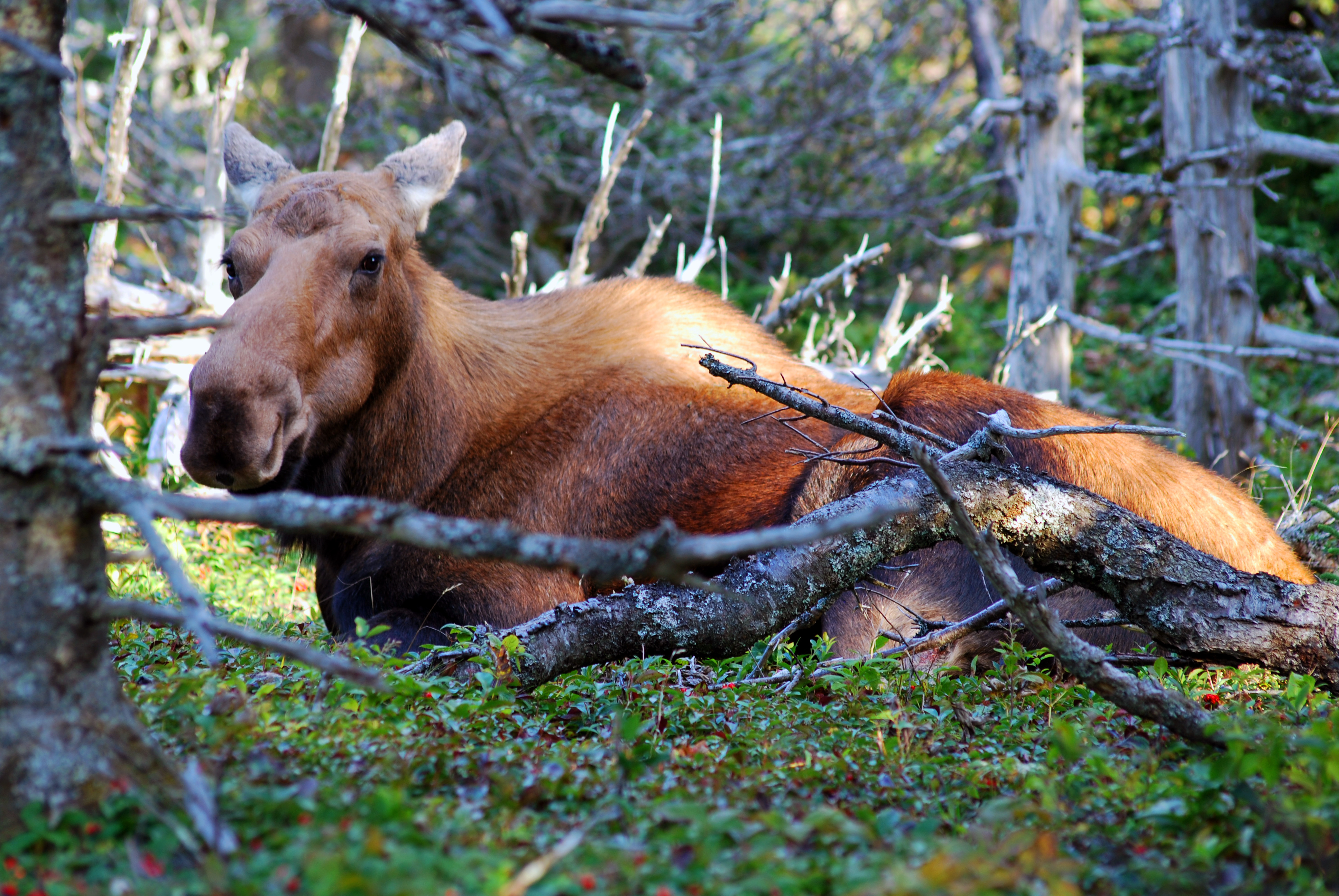
From moose in Algonquin to grizzlies in the Rockies — a region-by-region breakdown of where and when to look.

Conditions vary sharply between seasons — snowpack, insects, river levels, and permit windows all shift the calculus considerably.
Quota-controlled campsites in the mountain parks release in mid-January each year. Most front-country and backcountry sites sell out within hours. Understanding the reservation system before that window opens changes the outcome considerably.
Read the Permit Guide
Algonquin, Killarney, and Quetico require separate provincial permits that operate on different booking systems than Parks Canada. Canoe routes in these parks involve portage planning, bear cache regulations, and fire restriction awareness that shift week by week.
The permit calendars, campsite capacity rules, and seasonal closure schedules for each park are covered in the individual park sections of this reference.
See the Trail GuideThree main areas — each with its own reference article and practical detail.
Distances, elevation profiles, surface conditions, and access points for multi-day and day routes across the national parks network.
Reservation windows, quota systems, self-registration procedures, and the difference between Parks Canada and provincial park booking platforms.
Recommended viewing distances, seasonal movement patterns, and the regulations that govern wildlife interaction inside park boundaries.
The 75-kilometre West Coast Trail through Pacific Rim National Park Reserve requires a reservation, a mandatory orientation session, and a solid understanding of tidal schedules. Conditions on the trail are genuinely demanding at any time of year.
Read the Trail GuideElk rutting season in September, moose calving in spring, grizzly bear activity near berry fields in August — each species follows predictable cycles that make some periods far more productive for observation than others. The wildlife reference covers the key parks, species, and timing by region.
See Wildlife SpotsHigh snowpack years push trail opening dates well into July in the Rockies. Early springs accelerate wildflower windows in the Interior. River crossings that are ankle-deep in August can be impassable in late May. The seasonal guide documents these patterns park by park.
Use the contact form to submit a question. We'll address it in an upcoming reference update or reply directly.
Send a Question